I’ve yet to run my own business in the traditional sense. However, I have conceived business plans and pitches with teams of strangers on a number of occasions. I’ve also, on a number of occasions, conceived, socialized and built new programs for established companies during my career. And finally, I’ve had the pleasure of witnessing many presentations given by startup teams and venture capitalists, many of which elucidated the same handful of conflicts that plague the foundations of many businesses.
I say all this to let you know where I’m getting my information. I also say all this so that the following statement makes sense:
Nobody cares about an entrepreneur’s Idea. That should include the entrepreneur, but it often does not.

“The Idea,” as many entrepreneurs would put it as a chorus of angels fill their conference room with “Hallelujah” and the venture capitalists present faint from overstimulation, is just what the entrepreneur intends to sell to people. It’s a new social network for expats. It’s a new delivery app for the sharing economy. It’s a cab service for the new millenium. It’s whatever they want it to be, it’s not in the least bit interesting and, if they conceived it too hastily, it will be the death of their founding team.
That last bit is the really important bit. The part about founding team death. A hastily-conceived idea will kill a founding team, because a hastily-conceived idea attracts members of the founding team to the business for different reasons. I’m working on the cab service because I like disrupting industries–I value excitement. Betty is on the team because she believes commuting around a city really needs to be made easier–she values comfort. Ron’s on the team because he’s the one who came up with the idea in the shower one morning. The cab service will be his darling, his tangible contribution to the world. And he really values a sense of accomplishment.

In this case, Ron’s idea is a stray. It’s a Stray Idea and should immediately send up red flags for Betty and me to see. The reasons behind each founder’s buy-in aren’t clear when the idea is a Stray. Stray Ideas are hastily conceived. Stray ideas are ungrounded. Stray Ideas lack direction. And most damaging of all, Stray Ideas are nigh inseparable from egos.
Stray Ideas kill founding teams.
But neither Betty nor I see the red flag and, for the sake of example, we agree to join Ron’s team.
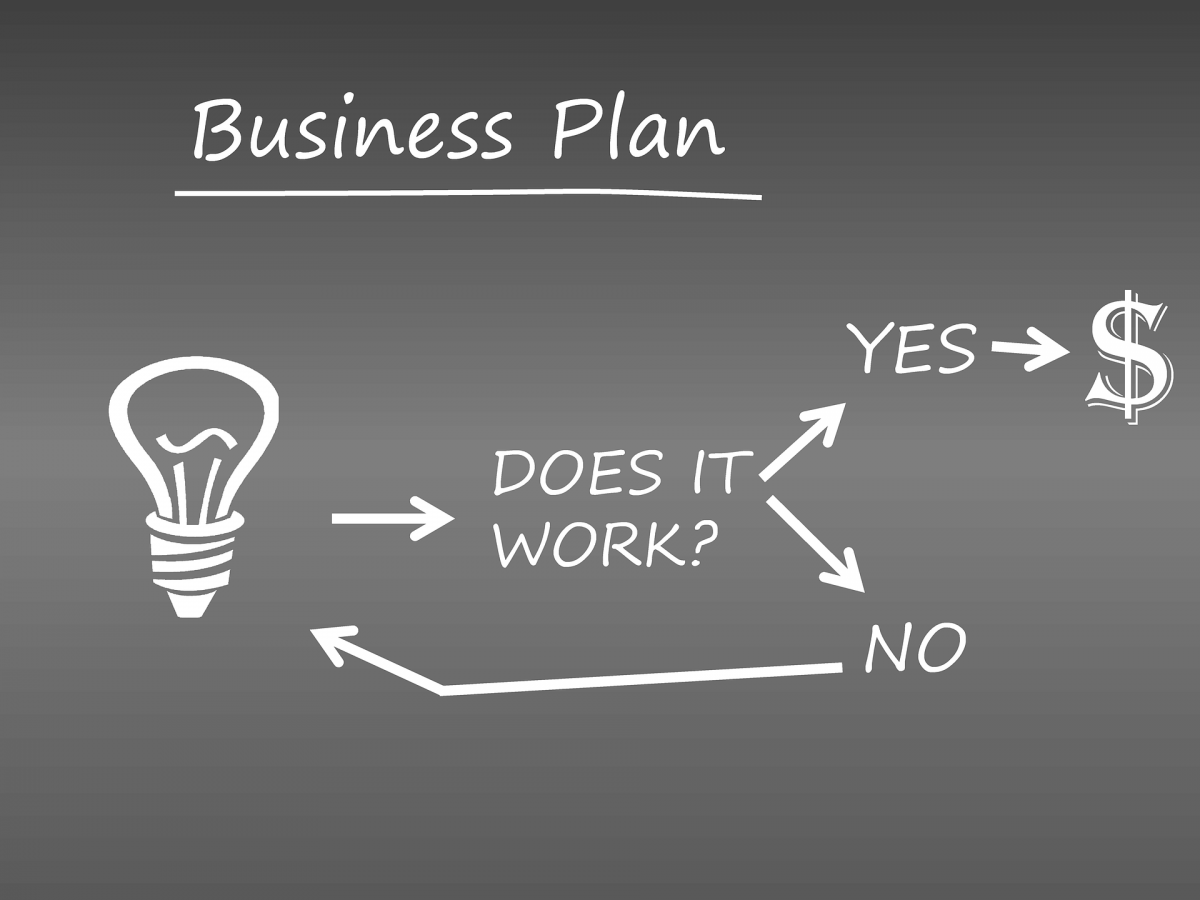
We come up with a business plan, pitch the business a hundred times, and not a single investor bites. Without investment, we’re not a company, so it’s back to the drawing board.
What happens at the drawing board is what will kill the team.
“Alright, guys. Supercab 2000 isn’t getting us anywhere,” laments Ron. His baby was denied the life he so earnestly felt it deserved.
“Yeah,” say I. “Anyone have any other ideas?”
There’s a pause.
“Maybe,” begins Betty, “What if we tailor the idea just to airport transportation? Like a luxury ride to the airport?”
Likely, mine and Ron’s faces are doing the same thing at this point, and the same noise is coming out of each of them. Our lips are pursed. Our eyes are squinted. Our heads are cocked. We look a bit like we’re grimacing. A high-pitched “mmmmmmm” is coming out of each of our faces.
Immediately, the idea sounds off to both Ron and me. Neither one of us knows why, but we feel it.
It’s because Betty’s looking for more ways to make life comfortable. Meanwhile, I’m looking for more ways to make life exciting and Ron is looking for more ways to feel accomplished. We’re all focusing on values that we hold, but that the others apparently do not. Betty’s idea gives neither Ron nor I what we’re seeking.
Ron and I will then pitch ideas that will meet the same reception as Betty’s. We’ll be at this impasse for awhile–until we accidentally land on a new idea that simultaneously satisfies three different values, or we split up and look for new founding teams.
What if one of our investor pitches had succeeded? What if we had never had to return to the drawing board?
Our team would still have died, but conflict would have drawn out for a much longer period of time. What happens when it comes time to pick a target market? What happens when we decide upon our first ad appeal? Ron wants to position our service as a wealthy status symbol to those who value acheivement as much as he does. Betty wants to position it as a convenience to anyone who feels busy. I want to target gen Y rabble rousers by positioning our service as the death of a stodgy conventional cab industry. We’ll ultimately have the same “final conversation” we would have had at the drawing board. Only the timing and the subject of debate would be different.
Maybe the result of all of this conflict would be dissolution of the business. More than likely, two of us would force the third out, or one of us would find a way to edge the other two out.
At this point, it probably seems like the alternative process I’m endorsing is extremely self-centered. Like the nature of the market isn’t even a consideration. That’s true and it’s also not true. Focusing on founder values is essential, because it’s much easier to market a new business to people who already think the way you think. If Ron, Betty and I channel our own values into the business, we’ll naturally appeal to what you might call “target market prime.” Appealing to that market will be easy, because we share a value with them. We know how to appeal to them. The market will also be large, because the common value we identify will be a terminal value, not confused with an esoteric belief or attitude.
As businesses mature, it would seem staying true to the value that linked its founders to Target Market Prime is incredibly difficult. At that stage, the business has probably hired a ton of people who don’t share that value, and it’s probably grown beyond Target Market Prime. It’s grown into new markets that may or may not share the original value.
But we’re starting a business, right? We’re worried about getting the business off the ground. Developing a business into maturity will require strategy we don’t yet need. For now, we can make our team more cohesive and the ideation process much more straightforward by aligning on at least one common value from the beginning. Even before Ron brings his stray cab idea to the table. Especially before that. Clearly, excitement, comfort and achievement are mutually exclusive among us. But, on what do we all agree? I’ll be investigating that line of questioning in a post to come very soon.
Until then, be wary of stray ideas.