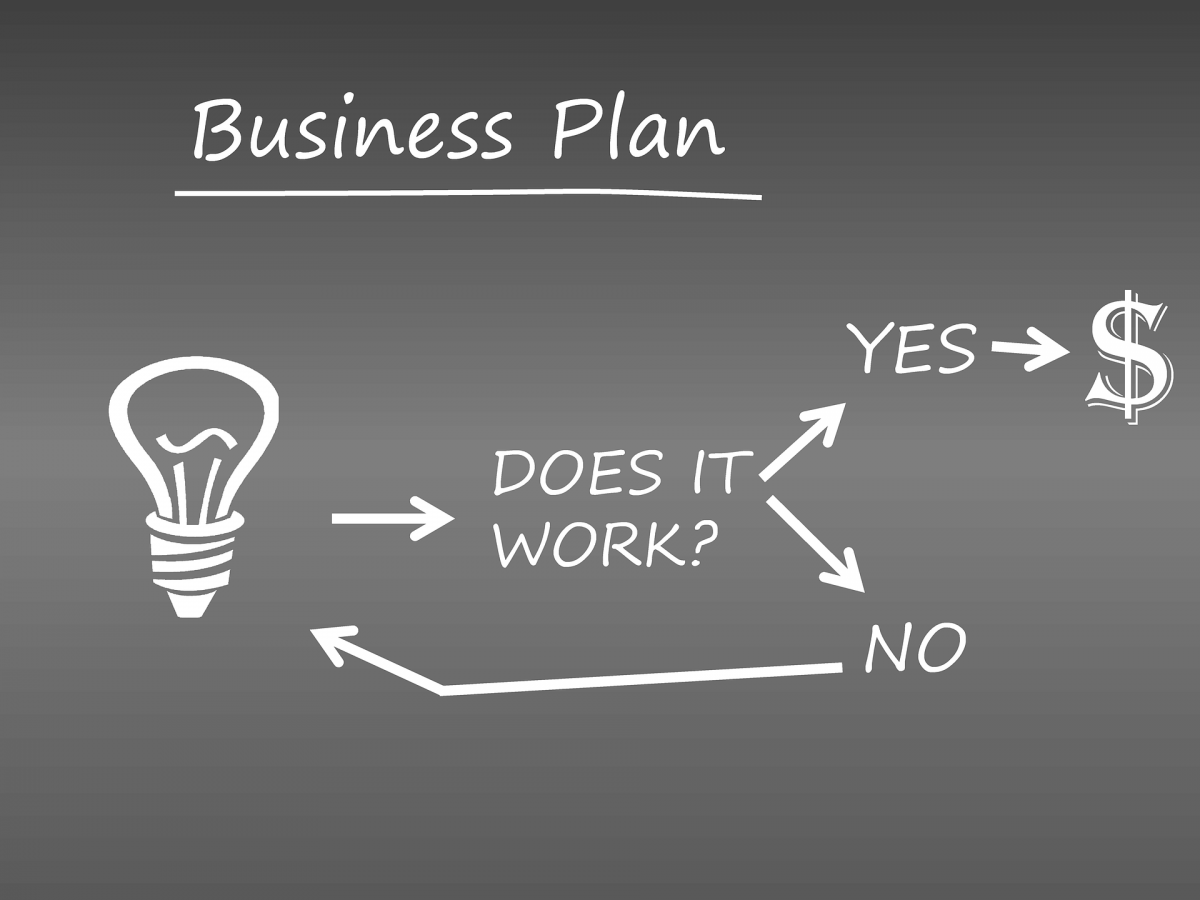
Entrepreneurship has been an important part of my education, most so here in Munich at TUM. I’ve taken courses on entrepreneurship, attended startup rallies and conceived, launched and managed new programs at a series of small and large companies. All along the way, I’ve been looking for insight into what it takes to start and then run a business.
At this point, everything has told me that step one of starting a business is identifying what we might call our “market’s value” (not market value; keep your pants on, Finance). This is a human value that we, the founder(s), have in common with a group of people who need something (our potential market).
<sidebar>
If you want to learn more about what I mean by “value” in this post, I recommend with every fiber of my being that you refresh yourself on Milton Rokeach’s value survey and the concepts of instrumental and terminal values. All of the above are inspiring the hell out of this post.
</sidebar>
Regularly, entrepreneurs present about failed teams that couldn’t agree on a direction. Failed pitches that couldn’t convince an investor that a market exists. Failed products that couldn’t generate interest among their intended users. Failed businesses that believed that they had rallied around the “wrong idea.”
Rallying around an idea is a mistake. I’m sure of this. But, I’ll get to that in a future post. This is about a productive approach: rallying around a market’s value. Rallying around a market’s value means all founders are on the same page from day one. All founders know why they’re in business. They know for whom they’re in business. With that knowledge, coming up with the idea that makes a market is just experimentation.
Human values are incredible drivers of business decisions. Here are three with which I identify very strongly. One of these will likely be the market’s value on which I found my own venture, one day.
Let’s do this.
_________________
#1: Wisdom

We succeed in life if, at the end of it, we understand how people, the world, and life work. Decision-making guided by this value can’t go wrong. Every step results in greater understanding.
Pitching a business founded on wisdom as its market’s value is easy:
“We believe that the true measure of success in life is the wisdom one possesses at the end of it.”
Instantly, we have the attention of our de facto target market. They believe that, too!
“The problem with accumulating wisdom, of course, is that wordly experience is costly. Learning languages, experiencing new cultures, learning new skills, exposure to contrary worldviews–this all takes extraordinary amounts of time and money. A lifetime of each, in most cases.”
The market is still on board. Accumulating wisdom is costly.
“We have an online repository of human experience ready to go. Want to know what it’s like to eat the hottest pepper in the world? Want to learn how to dance Salsa? Want to know what many of England’s accents sound like?”
“We’re YouTube. Want in?”
Yes. Now open the goddamn door.
#2: Feeling Accomplished (a.k.a. “Legacy”)

The world should be better when we leave it than when we entered it, and we should be responsible for some of the improvement.
“We believe that a truly worthwhile life is one that has a lasting, positive effect on humanity. One that shines even after it’s extinguished.”
“So, you can imagine our frustration, as we can imagine yours, when mundane, repetitive upkeep tasks distract us from those that contribute to the improvement that drives us.”
“Meet Roomba, an autonomous vacuum cleaner that cleans floors so effectively that you won’t have to engage the chore ever again. One fewer distraction. One more opportunity to strengthen your legacy. Want one?”
Shut up and take my money.
#3: True Friendship

“Life is nothing without true friends. Friends that last forever regardless of distance. Regardless of circumstance. Regardless of conflict. Friends who comfort you. Friends who teach you. Friends who love you. A life with true friends is truly a life.”
“Nonetheless, distance and circumstance can keep true friends apart. What if we could maintain the intimacy we cherish with our true friends despite distance and circumstance? What if we could be there for each other, even when we can’t be there with each other?”
“We have for you an online service that lets expats share their culture shock with their childhood companions. It lets humanitarian workers enlighten their old college roommates from the other side of the planet. It lets true friends remain connected for a lifetime. It’s called Skype. Want in?”