“When you visit…” is a blog series about things you’ll want to know before you visit a city. Advice comes from my experience in the city, and is more about “prepare yourself for…” than about “OMG SUCH PRETTY SO WOW.”
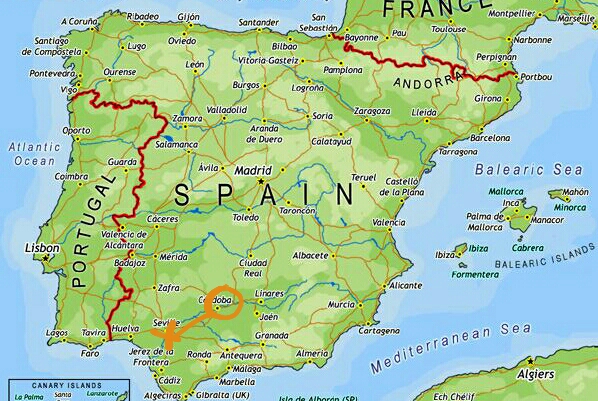
This one’s about Córdoba, Spain.
Córdoba is developed. Córdoba is traditional. Córdoba is peaceful.
Córdoba is our second of four stops during our trip through Spain. We’re only here for a day, but what it has to offer is obvious from the moment you enter the city.
#1: History of Transitory Leadership
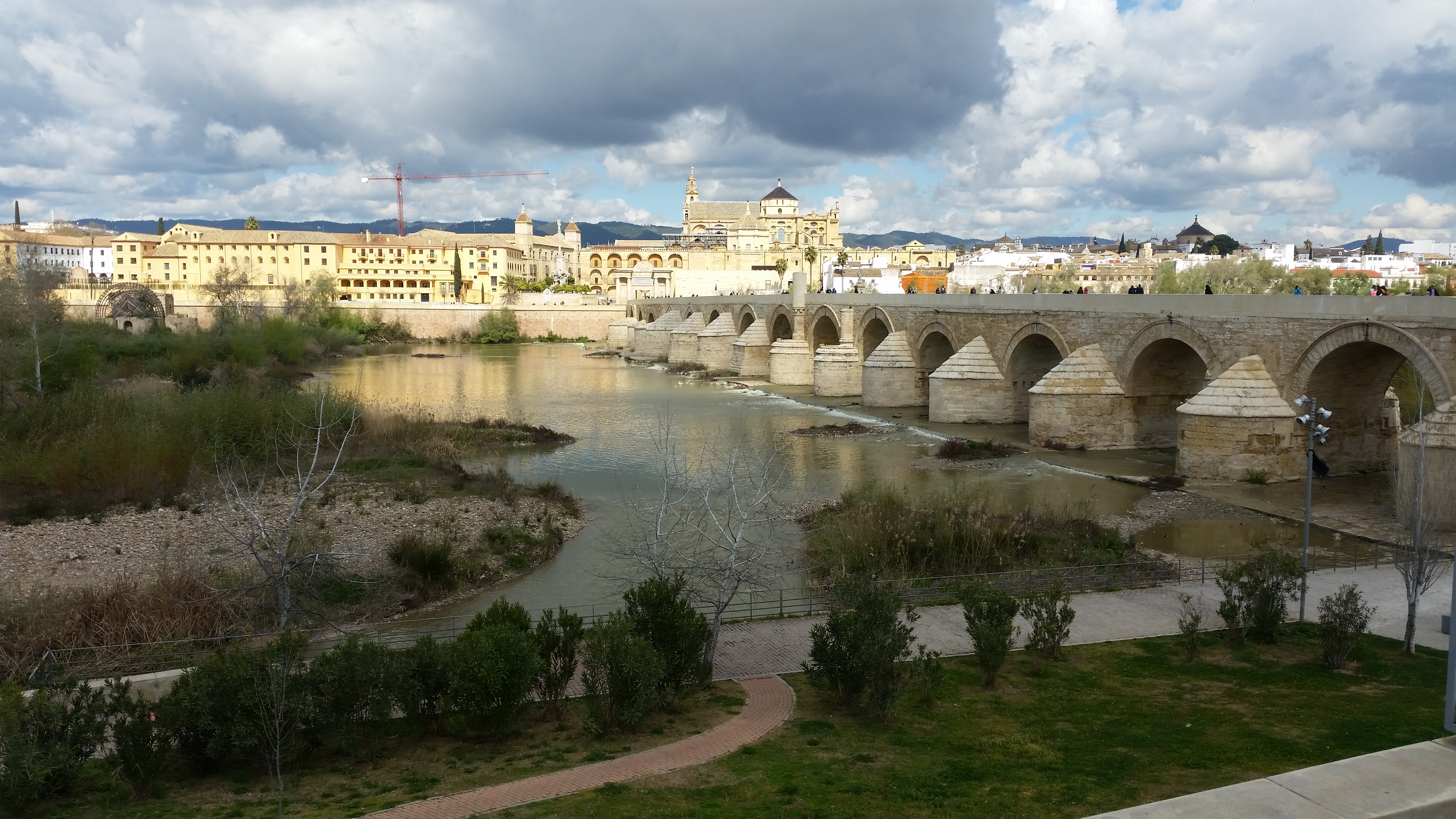
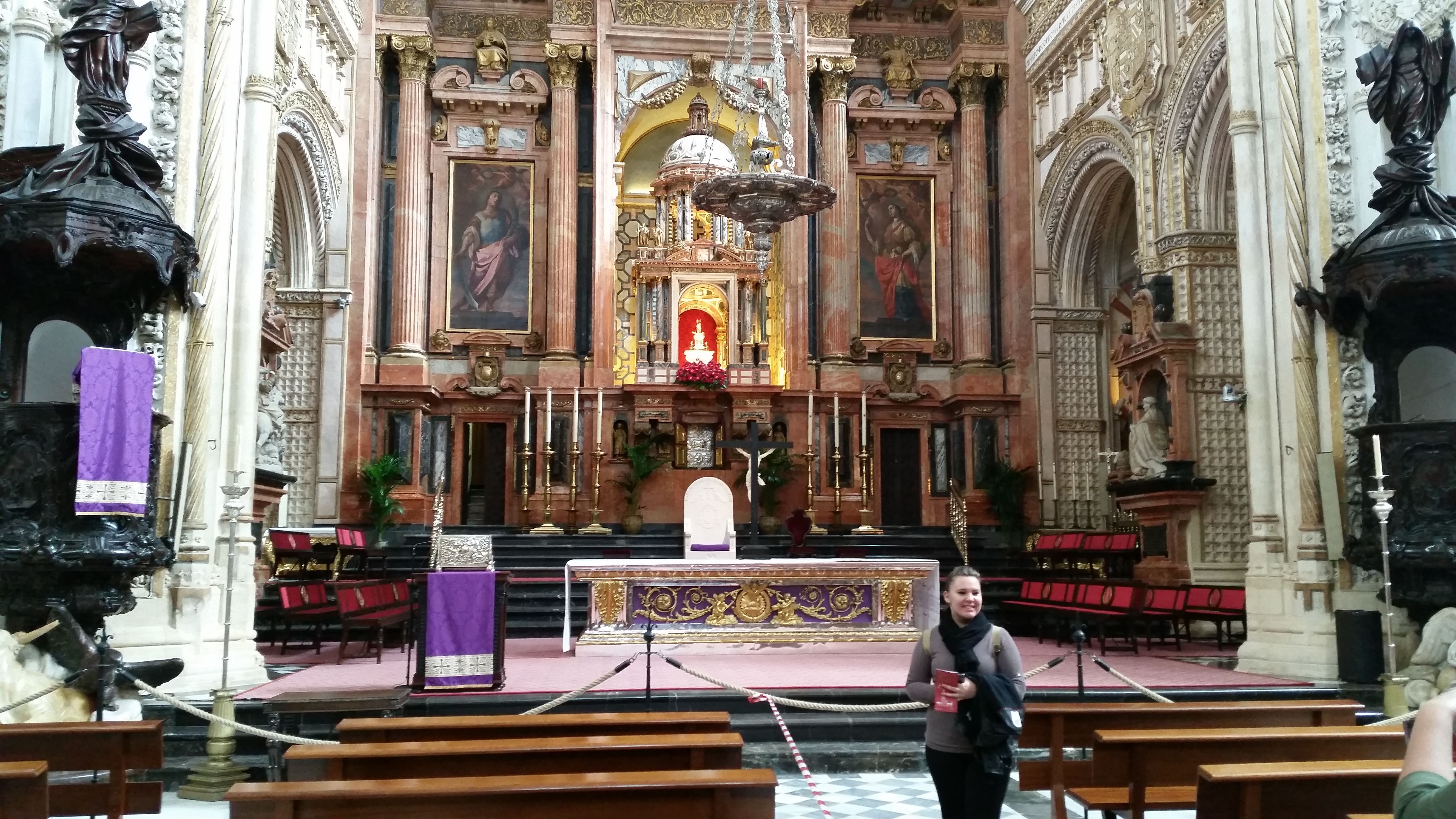
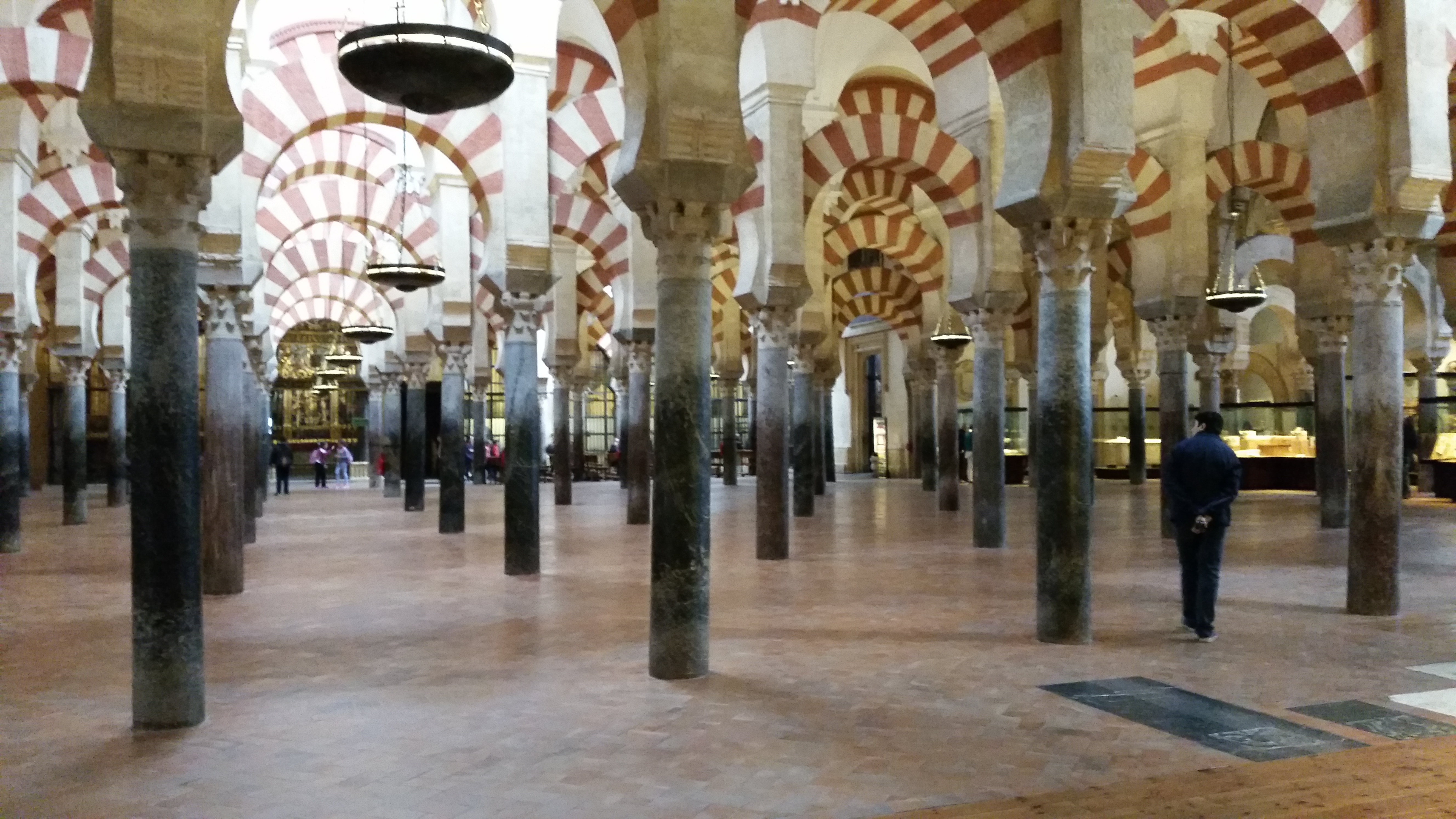
There’s old Roman architecture, to be sure (this is Western Europe, after all), but the big deal here is the evidence of the half-ish-century dominion swapping between Christianity and Islam. Before 800 CE, it was a Christian city with the San Vicente Basilica at its center. Around 800, a Muslim army invaded the city, conquered it, and demolished San Vicente. They ruled the city until around 1200, when Spanish King Ferdinand III rode back in, reconquered it for Christianity, and subsequently had the mosque destroyed so he could build a cathedral where it stood.
Fascinating is that 3 days ago (13 March, 2016), Córdoba formally denied the Catholic Church’s assertion of claim over the Cathedral. Their stated reason is that consecrating a religious site (i.e. demolishing and “purifying” a mosque) does not confer ownership of the site to the one doing the consecrating.
That’s what I learned while visiting the Catedral de Córdoba, today. I’m no historian (likely painfully obvious if you are a historian).
#2: An Economy Built for Locals
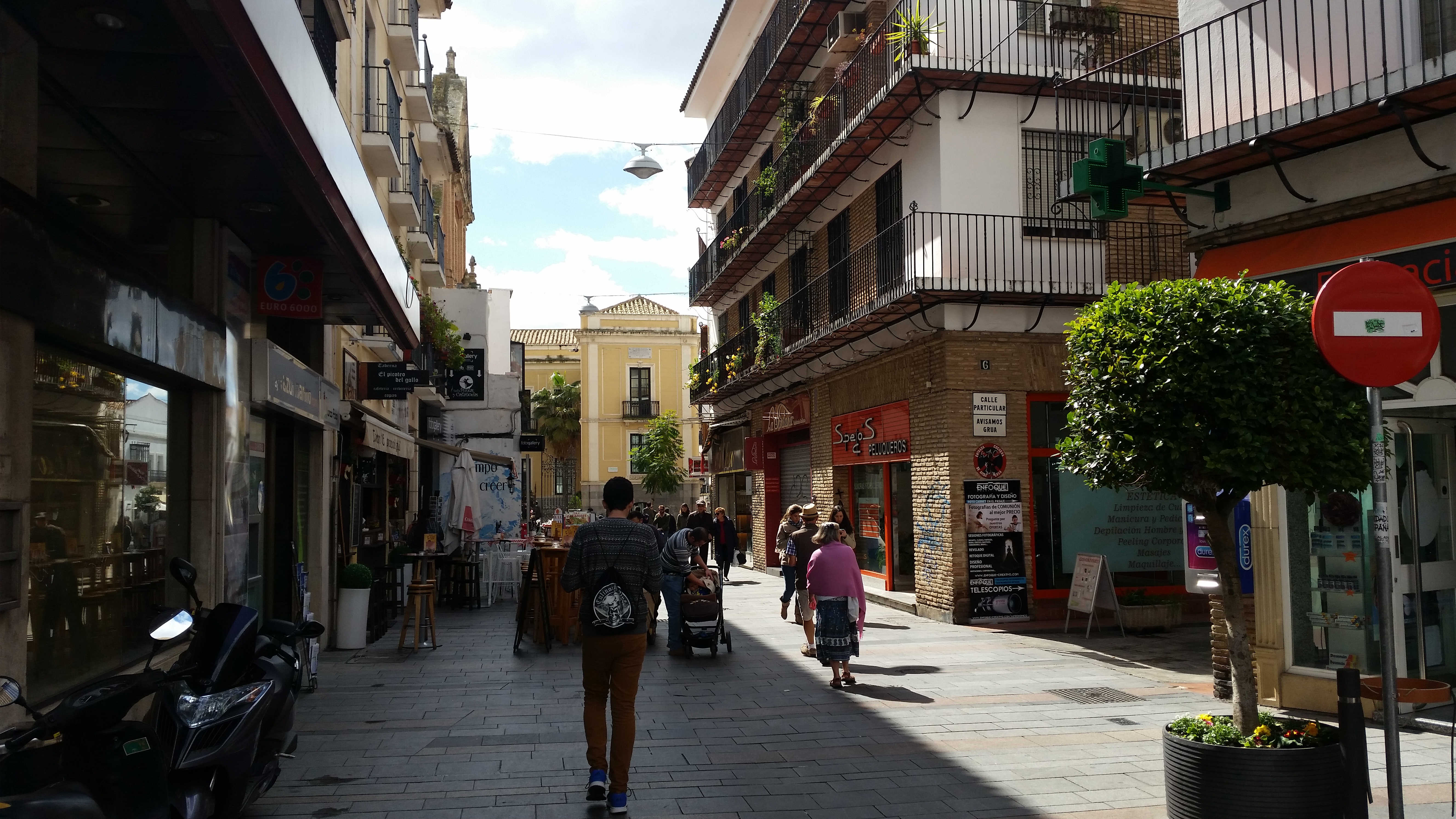
Córdoba reminds me of Dallas, Texas: city planning seems to reflect an intent to depend upon locals rather than tourists for economic sustanence. There’s one restaurant per street corner rather than 40. Many of the other businesses are more utilitarian rather than cultural embellishments (think schools and hardware stores rather than Flamenco
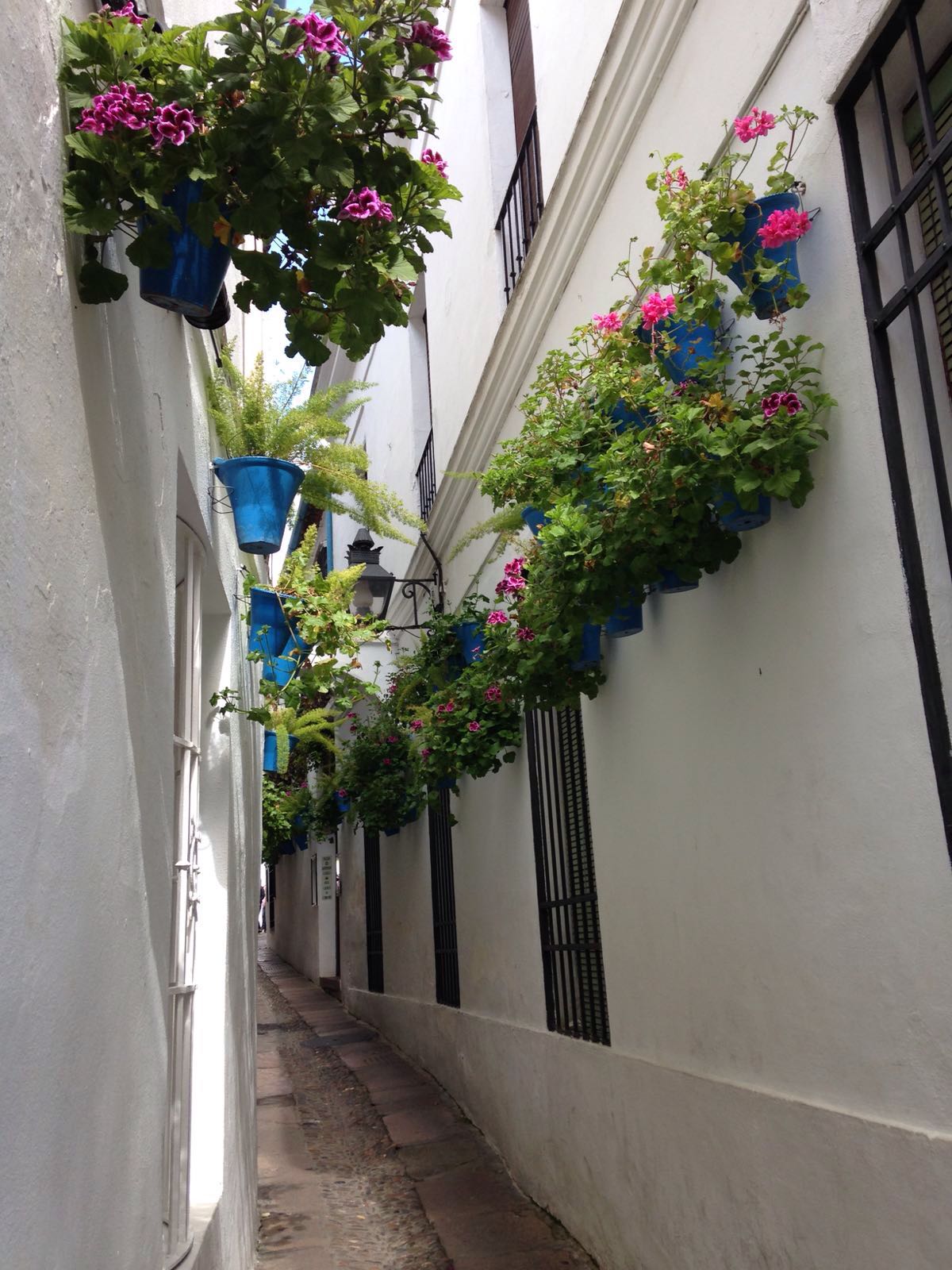
studios and artisan markets). We even noticed a bit of conspicuous living (can’t fall short of the Joneses): we saw a pattern of homes leaving the doors to a follier open, behind which were impressively maintained gardens.
The mosque-thedral (I’ll propose that name to city management if they want to hire me as a marketing consultant) is a tourist attraction, to be sure. But, other than that, I would recommend simply taking some walks to observe local lifestyles and compare the local food with other Spanish food you know.
Tomorrow, we move on to Granada. If the way my Spanish friends light up when they talk about it is any indication, then it’s the Austin/Portland of Spain. If Sevilla was chaotic beauty, and Córdoba is peaceful development, then what will Granada have in store?
Check back soon for the report.